
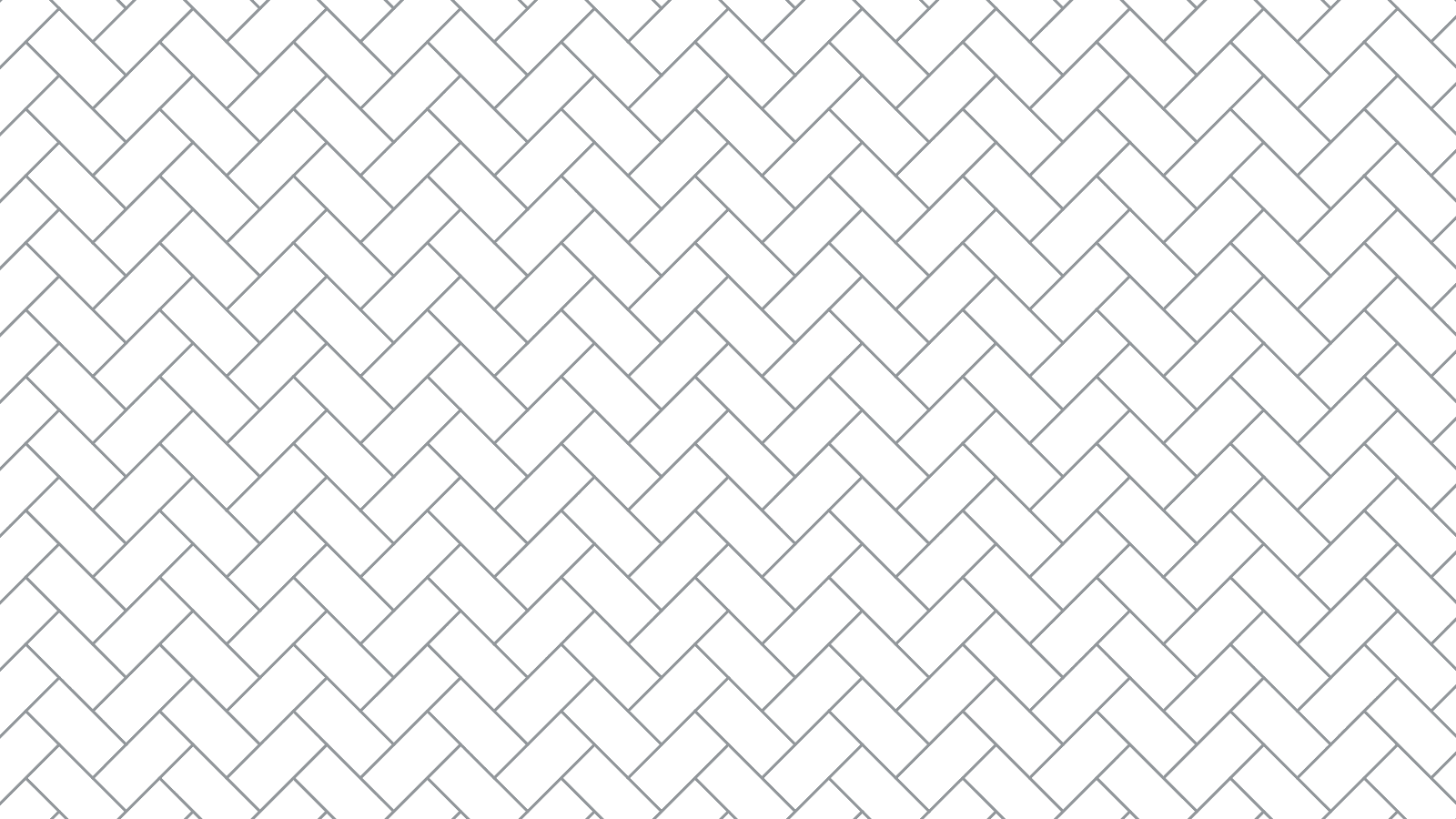
People spend weeks choosing a tile and about five minutes deciding how to lay it. That is backwards. The same tile can feel crisp and modern or warm and traditional depending only on the pattern it is set in, and the layout costs little more than a conversation up front. It is one of the easiest ways to make a bathroom feel designed rather than just finished.
Here are five patterns we come back to again and again, what each one does to a room, and, at the end, a small secret about where else you have already seen them.
The Classic
Running Bond

The one you already know. Each row shifts by half a tile, the way bricks are laid, and that simple offset does a lot of quiet work. It hides small variations in the wall, it goes up quickly, and it never looks dated. Turn a rectangular tile on its end and you get the same pattern standing tall, which is a favorite of ours for making a small shower feel a little bigger than it is.
The Modern
Stack Bond

Every tile squared up in a clean grid, nothing offset. It is the most contemporary of the layouts and the one that shows off a large-format tile or a bold color best. The tradeoff is honesty: a perfect grid has nowhere to hide, so the walls need to be true and the setting has to be precise. Done right, it looks effortless. Done carelessly, every wobble shows.
The Icon
Herringbone
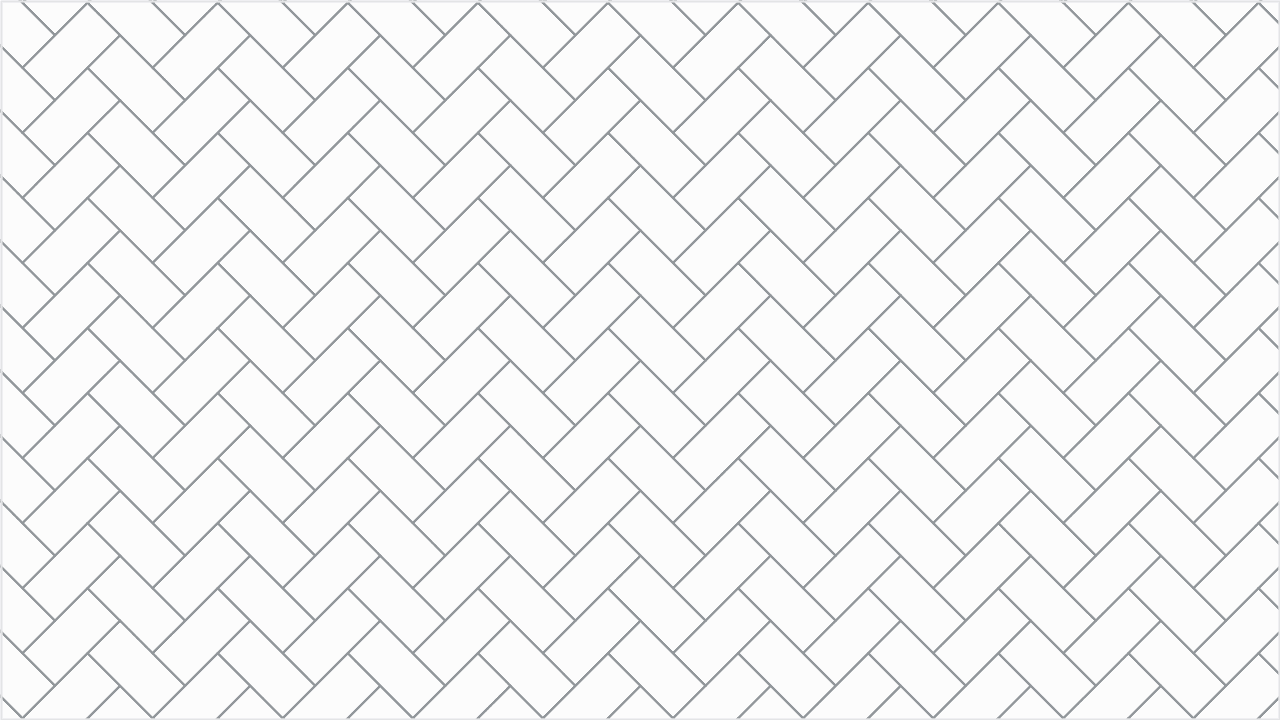
Rectangular tiles turned on the diagonal so each one points into the next, interlocking in a V that carries your eye across the room. It reads as craft, because it is: more cuts, more layout, more time at the wall. Worth every minute. A herringbone floor or feature wall is the detail people remember about a bathroom long after they have forgotten the color of the paint.
The Weave
Basket Weave
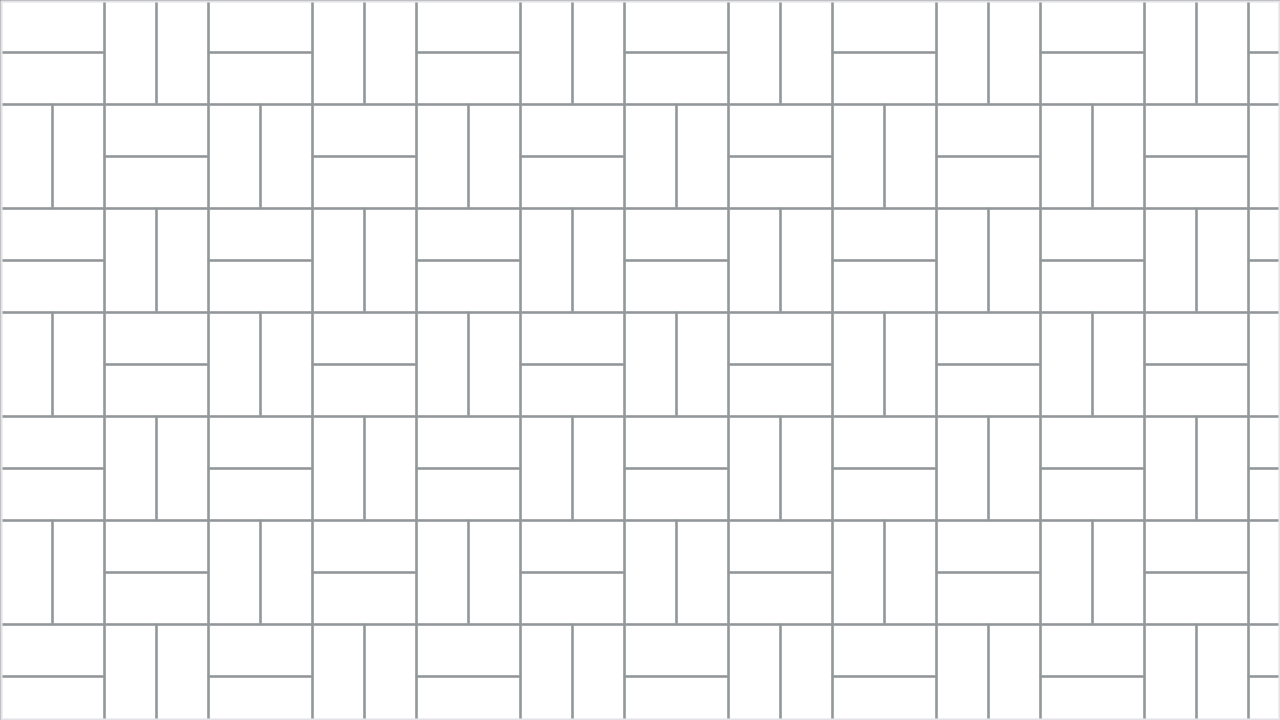
Pairs of tiles set horizontal, then vertical, then horizontal again, until the whole surface looks gently woven. It is a traditional pattern with a lot of charm, right at home in a classic bath or an entry floor, and it plays beautifully with the small hex and penny tiles of an older house. A pattern with a little history to it.
The Detail
Double Herringbone
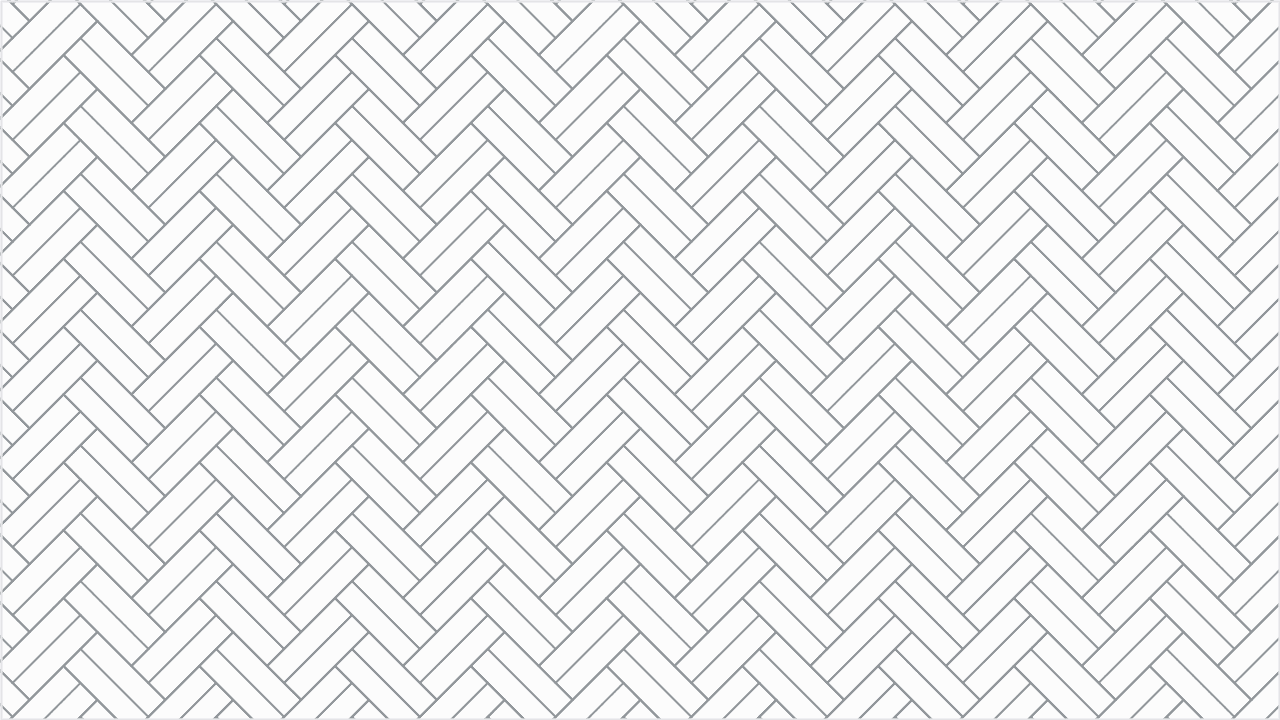
Herringbone with the volume turned up: two slim planks travel together as one arm of the weave, so the same diagonal rhythm takes on a finer, busier texture up close. It is a quiet way to make a floor feel considered without shouting, and a good option when a single-plank herringbone feels a bit too plain for the room.
Look Closer
Hidden in Plain Sight
Here is the small secret we promised. These patterns are not just something we install. They are part of how this whole site is drawn. Look at the header of our Resources, Services, or About pages and give it a moment. Faint lines drift in and settle, one layout after another, running bond, then herringbone, then a basket weave, the very patterns on this page being laid quietly behind the words.
It is the same instinct we bring to a bathroom. The pattern matters, even when you are not looking straight at it, and the good details are there for anyone who cares to notice them. If that is the kind of work you want in your own home, done by people who sweat the layout as much as the tile, we would love to talk. Take a look at what we do, or reach out and tell us about your project.