
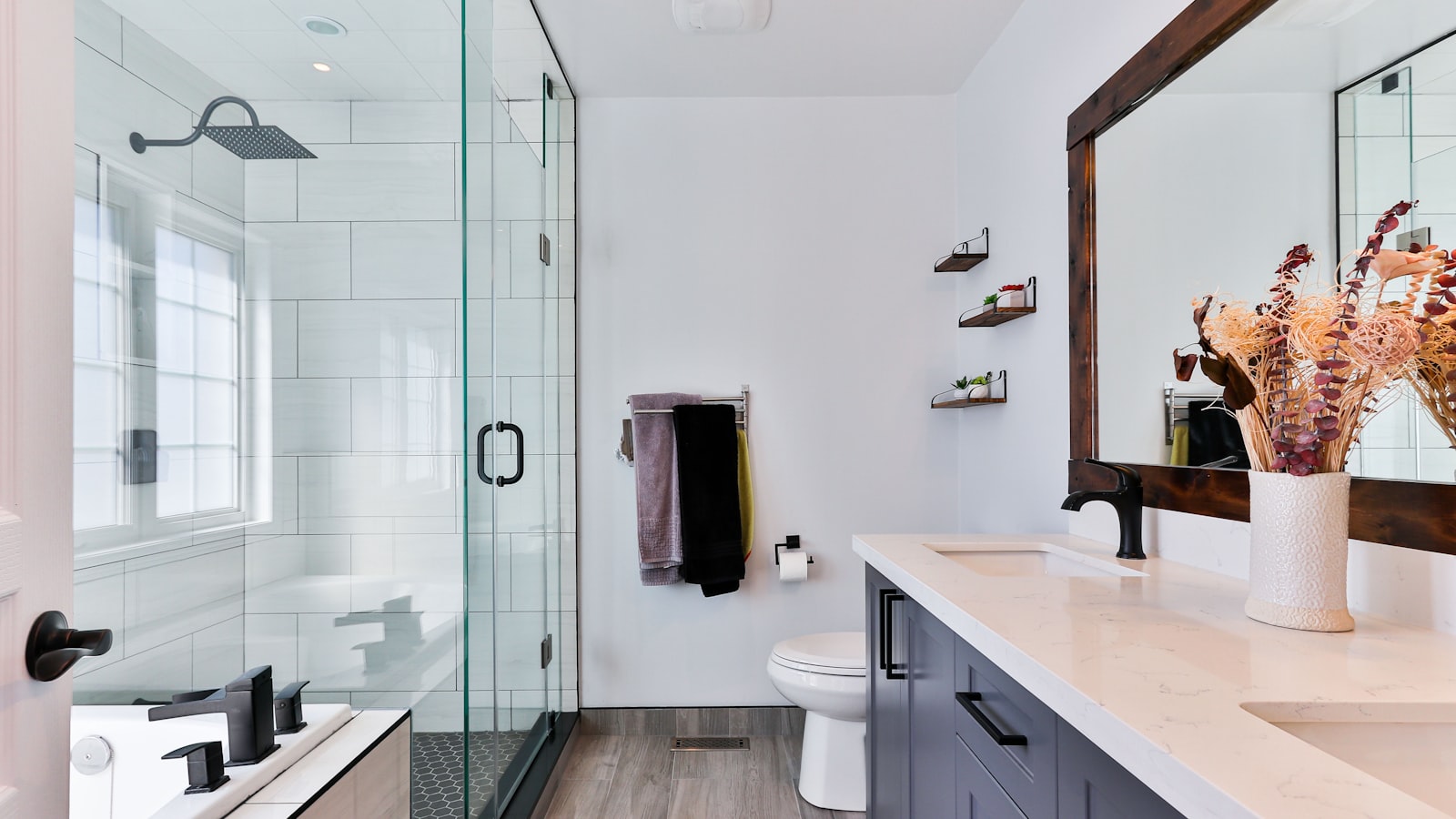
The best bathroom remodels are won on paper, long before anyone swings a hammer. We have been remodeling bathrooms across the Triangle for years, and the projects that go smoothly almost always share one thing in common: the homeowner and the contractor made the hard decisions up front. The ones that stall, run over budget, or end in frustration usually had a plan that was still half-formed when the demolition started.
So before you pick a single tile, it helps to slow down and think the whole thing through. This is not about killing the excitement. It is about making sure the finished room actually fits the way you and your family live in it, day after day, for the next fifteen years.
Before You Start
Why Planning Before Demo Matters
Once the walls are open, the clock is running and the pressure is on. Every question that was not answered ahead of time now has to be answered on the spot, often with the shower framed and the plumber standing there waiting. Decisions made under that kind of pressure tend to be the ones people regret.
A remodel has a natural order to it. The rough plumbing and electrical go in before the walls close up. The tile layout gets set before the tile is cut. The vanity has to be ordered weeks before it can be installed. When the plan is complete before demo, the trades flow one into the next without stopping. When it is not, the job waits, and a bathroom that should have taken three weeks stretches into two months.
The cheapest change you will ever make is the one you make on paper. The most expensive is the one you make after the tile is set.
The Layout
Getting the Layout Right
The single biggest decision in any bathroom remodel is whether you keep the plumbing where it is or move it. Keeping the toilet, tub, and sink roughly in their existing spots is by far the more affordable path. You are working with drains and supply lines that are already in place, so the labor stays contained and predictable.
Moving plumbing is a different story. Relocating a toilet or shifting a shower drain often means opening the floor, and in a home on a slab, that can mean cutting concrete. It can absolutely be worth it, a cramped, awkward layout is worth fixing, but you want to know the cost before you fall in love with the idea. Here is roughly how we think about the tradeoffs:
- Keeping every fixture in place. The most budget-friendly route. Best when the current layout works and you mainly want new finishes.
- Swapping a tub for a walk-in shower in the same footprint. A very common and reasonable change, since the drain usually stays close to where it already is.
- Moving a sink or vanity a few feet. Moderate cost, since supply and drain lines have to be rerouted inside the wall.
- Relocating the toilet or gutting to a completely new layout. The most involved, especially on a slab. Sometimes the right call, but plan for it deliberately.
A good contractor will walk the room with you and tell you honestly which changes are cheap, which are expensive, and which are simply not worth what they cost.
Daily Use
Thinking Through Daily Use
A bathroom is one of the most used rooms in the house, and the details that matter most are the ones you touch every single morning. This is where it pays to picture your actual routine rather than a magazine photo.
Start with storage, because it is the thing people underestimate most. Think about where the towels go, where the everyday clutter lands, where a tall bottle of shampoo actually fits. A pretty vanity with no drawers looks great on day one and drives you quietly crazy by month two.
Then work through the bigger questions:
- Two sinks or one. If two people share the room on the same schedule, a double vanity earns its space. If not, one larger sink with more counter and storage often serves you better.
- Shower versus tub. A roomy walk-in shower is what most homeowners ask for now. But if this is your only bathtub and you have young kids or plan to sell someday, keeping one tub in the home is worth considering.
- Aging in place. Even if you are years away from needing them, a curbless shower entry, blocking in the walls for future grab bars, and a comfort-height toilet cost very little to add now and are difficult to add later.
Have us add solid wood blocking behind the shower and toilet walls while they are open, even if you do not want grab bars yet. It costs almost nothing during the rough-in, and it means a grab bar can be mounted anywhere on that wall later without cutting into finished tile.
Selections
Picking Materials Early
Nothing stalls a bathroom job like a decision that has not been made. Tile, the vanity, the shower glass, the faucets and fixtures, the lighting, these all have lead times, and some of them are long. A vanity or a special-order tile can take weeks to arrive, and if it is not on site when the schedule calls for it, everything downstream waits.
We ask homeowners to lock in their major selections before we start, or at least early enough that we can order ahead. It feels like a lot of decisions all at once, but making them now, calmly, at your kitchen table, is far better than making them in a panic mid-project. Choose the finishes, confirm they are in stock or on order, and let the schedule build around known dates instead of guesses.
The Budget
Setting a Realistic Budget
Be honest with yourself and honest with your contractor about the number. A real budget lets a good contractor steer you toward the choices that give you the most for your money, and away from the ones that quietly blow past it.
And build in a contingency. We suggest setting aside somewhere around ten to fifteen percent of the project cost as a cushion you hope not to use. Older homes in particular hide surprises behind their walls, water damage from a slow leak, a plumbing vent that is not up to code, framing that was never quite right. Finding those things is normal. Having the room in your budget to fix them properly, without derailing the whole project, is what keeps a remodel on track.
The point of a contingency is not to expect the worst. It is so that when a small surprise turns up, and on a remodel one usually does, it is a manageable line item instead of a crisis.
Your Contractor
Choosing the Right Contractor
The plan is only as good as the people executing it. When you are interviewing contractors, you are really trying to learn how they work and whether you can trust them in your home for several weeks. A few things worth looking for:
- They are licensed and insured, and they hand over that paperwork without being chased for it.
- They give you a written, itemized estimate you can actually understand, not a single lump sum.
- They are clear about the schedule, who will be in your home, and how they handle the surprises that come up.
- They answer your questions plainly and tell you when something is a bad idea, even when it is not what you hoped to hear.
A contractor who talks you out of a choice that would waste your money is worth far more than one who says yes to everything. That honesty up front is the best predictor of how the whole job will go.
If you are starting to think through a bathroom remodel and want a straight, no-pressure conversation about what is realistic for your home and your budget, we are glad to help. Take a look at our services, or contact us whenever you are ready. There is no rush, and there is no obligation. We would rather help you plan it right than sell you something fast.